

Polyester, what it does on skin
Does wearing polyester shed microplastics? Yes, during wear and drying, not only in the wash. Polyester is also the default fiber in leggings, sports bras, and training tops, which is why the health and brand questions concentrate here.
These pages separate wear-time shed from laundry, next-to-skin chemistry from hangtag claims, and the plant-fiber swap from a vibe chart. Nothing below moved; each article keeps its Journal URL.
21 articles
Does Supima Hemp Shed Microplastics?
No. Supima hemp is US-grown hemp with Supima cotton, so it has no polyester filament to shed. Plant-fiber lint in laundry is not plastic shedding.

Is Supima Hemp a Natural Alternative to Polyester?
Yes. Supima hemp is a natural alternative to polyester for sheets and towels: cellulose inputs, no plastic filament, and no polyester microplastic shed.

Supima Hemp Sheets Without Plastic Shedding
Supima hemp sheets are US-grown hemp and Supima cotton. With no polyester filament in the yarn, they do not bring plastic shedding to the bed.
Supima Hemp vs Polyester Bedding
Supima hemp bedding is US-grown hemp and Supima cotton. Polyester bedding is a plastic fiber that can shed microplastics. Here is the spec difference.

What Is Supima Hemp?
Supima hemp is US-grown hemp spun with Supima cotton. It is a cellulose blend, not polyester, so the cloth does not shed plastic microfiber.
The Emerging Science of Polyester Microplastic on Human Health
The emerging science of polyester microplastic on human health tracks PET fibers from wear and wash into blood and lung. Here is what is measured, and what is still open.

Anti-Odor Finishes, Skin Microbiome, and Synthetic Activewear
Anti-odor activewear often relies on antimicrobial finishes. Here is what the textile and microbiome literature is asking, and how fiber choice changes the odor problem without personal health promises.

Antimony in Polyester: Catalyst Residues and Skin-Contact Apparel
Polyester production often uses antimony catalysts. Here is what residual antimony means for skin-contact apparel, what migration studies ask, and why fiber choice changes the inventory.

Polyester Bedding and Overnight Skin Contact
Bedding sits against skin for hours every night. Here is what prolonged polyester contact means for exposure pathways, wrinkle resins, and microfiber in the bedroom, without turning sleep into a diagnosis.
Do Polyester and Nylon Shed Microplastics in the Wash?
Yes. Washing polyester and nylon releases plastic microfibers into wash water. Here is what the laundry pathway research shows, how it differs from wear-time shed, and what source control changes.
Recycled Polyester Still Sheds Plastic Microfiber
Recycled polyester can lower feedstock carbon versus virgin PET, but it remains plastic filament. Here is what that means for microplastic shed and skin-contact chemistry, without confusing carbon math with fiber identity.
Imperium Fiber: The World's First Wellness Fiber for Textiles
Imperium Fiber is the world's first wellness fiber for textiles: regenerative hemp that improves farmland, grows without pesticides, and skips polyester's skin-side downsides.
When 'Polyester' Became an Insult — What It Means for Clothing
Gen Z turned polyester into a TikTok insult for anything cheap and fake. Here's what that cultural shift actually means for the clothes you wear and sell.

The Brand Risk of a Polyester-Only Portfolio
A polyester-only portfolio concentrates a brand's exposure to shifting consumer sentiment, tightening textile regulation, and greenwashing scrutiny, all in one material. Here's how to de-risk it.

Polyester Sports Bras and Next-to-Skin Synthetics
Polyester sports bras sit on sweat-heavy skin for hours. Here's why next-to-skin synthetics raise the stakes, and how a plant-based bra fabric changes the feel.
Polyester vs Hemp-Lyocell for Activewear
Polyester vs hemp-lyocell for activewear comes down to moisture, static, microplastic shed, and stretch. Here's the head-to-head, and where the plant blend wins.
Does Wearing Polyester Shed Microplastics?
Yes, polyester sheds microplastic fibers while you wear and dry it, not only in the wash. Here's what the research says, and how plant fiber changes the equation.
Microplastic Textile Rules and Natural Fiber for Apparel Brands
Microplastic textile rules restrict intentionally added particles; wash-off fiber is the next fight. Here's what natural fiber changes for apparel brands, and what it does not.

Polyester Alternatives for Sportswear: The Natural Upgrade
The best polyester alternatives for sportswear match the stretch and moisture-wicking of synthetics, without static, microplastics, or chemical finishes. Here's what to look for.
The Natural Alternative to Polyester for Athletic Wear
Imperium Fiber is a natural alternative to polyester for athletic wear, moisture-wicking yoga pants, sports bras, and shorts without static, microplastics, or pesticides.
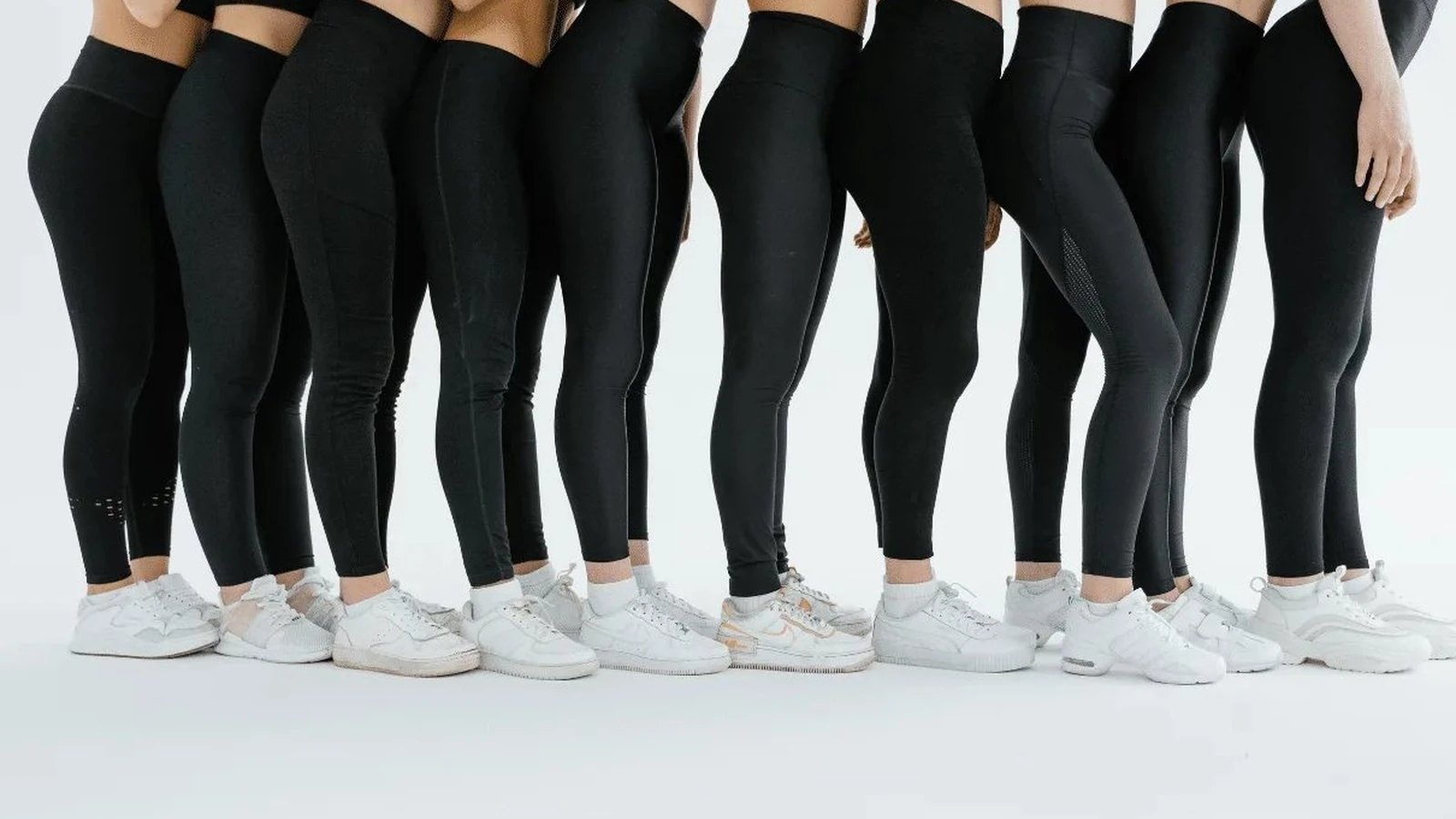
Oxidative Stress From Static Generated By Polyester & Nylon Clothing
Static from polyester and nylon clothing can generate reactive oxygen species against your skin. Here's how that static feeds oxidative stress, and why hemp avoids it.