

Our Story
A Fabric Origin Story
You Can Be Proud Of






The problem
Synthetic clothing is becoming
the new forever chemical.
It starts with a petro origin. Polyester and nylon are spun from petroleum, a fossil feedstock engineered not to break down, then worn as the cloth closest to skin.
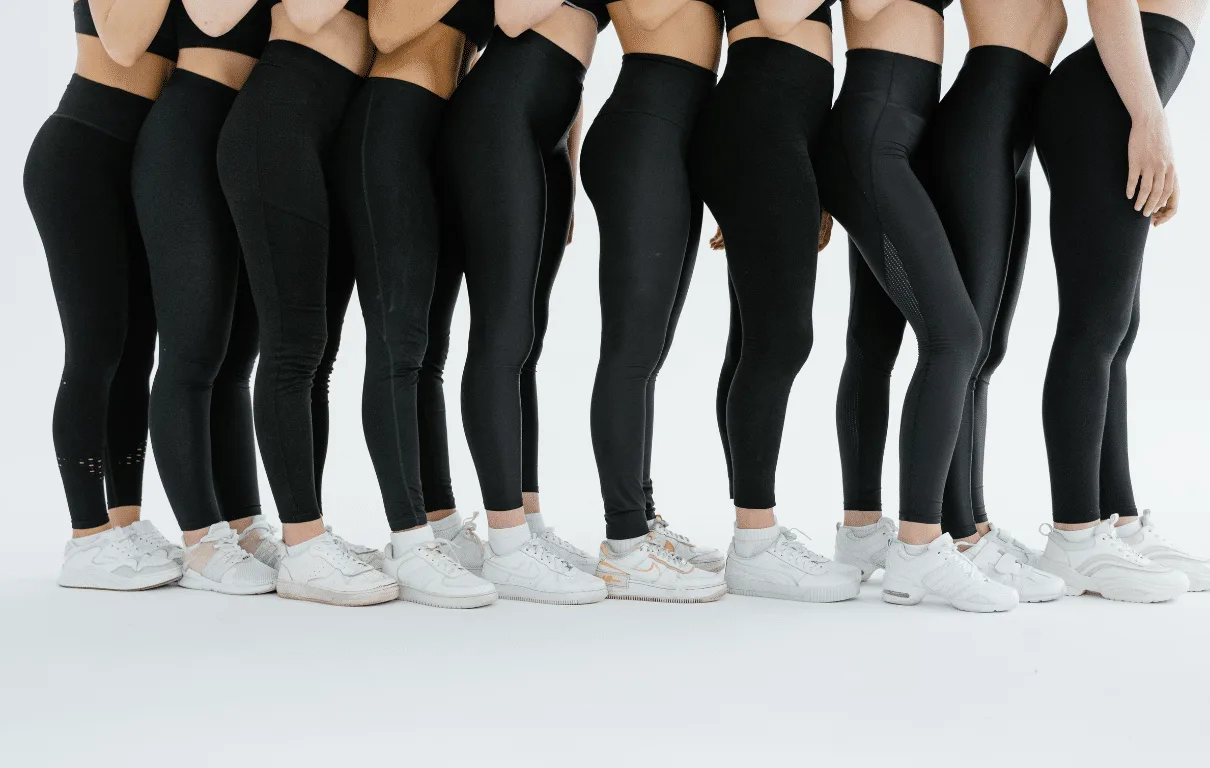
In use, the concerns are hormone and microplastics. Finishes and plastic fiber sit against the body, and wear and wash release microplastics into air and water.
Then comes end of life pollution. The garment does not compost. It fragments and persists, the same permanence that turned forever chemical into a mess.
Our solution is soil to skin
Three stages. One fiber you can follow from
the field to the garment against your body.
95%
Less water vs cotton
0
Pesticides
0
Microplastics
01 · Soil
Where the fiber starts
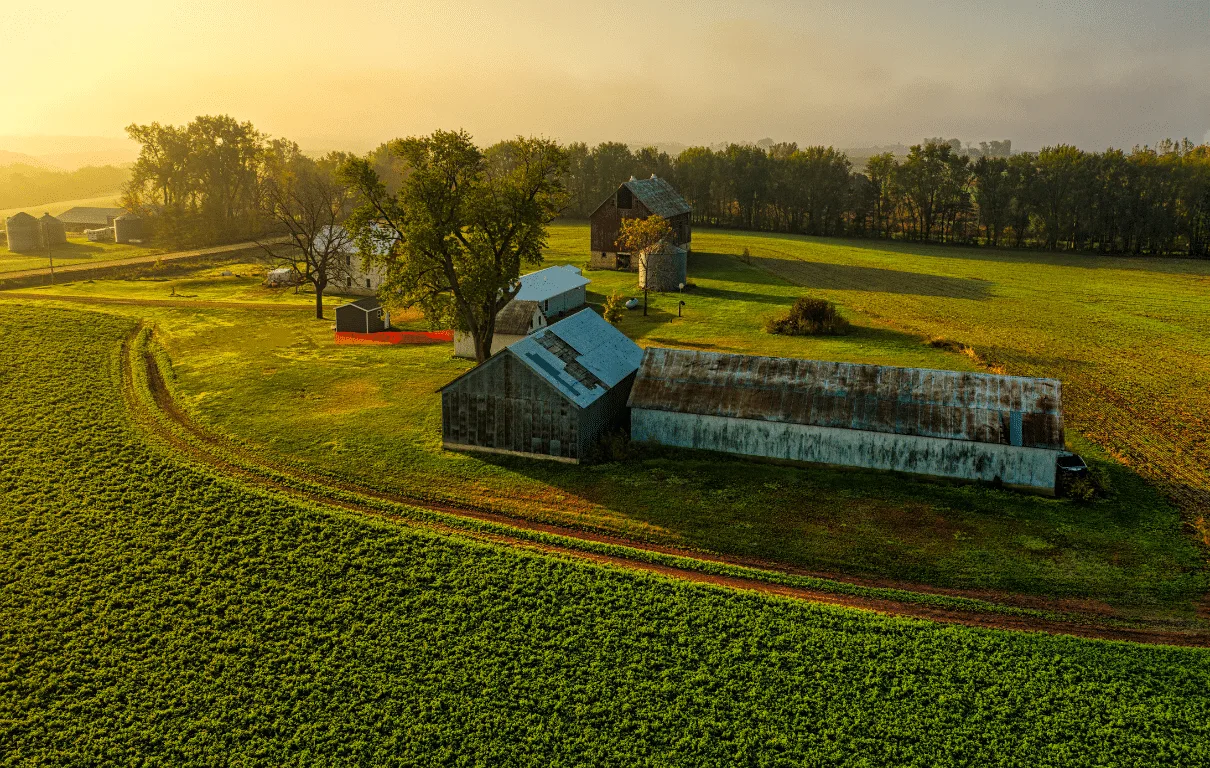
Imperium begins on regenerative acres, not in a petrochemical plant. Industrial hemp grown without pesticides, with far less water than conventional cotton, on land that gets stronger for being farmed this way. The wellness claim starts in the dirt, or it is not a wellness claim.

02 · Fiber
Spun for performance, not petroleum
From that crop we spin hemp-lyocell built for stretch, recovery, and a luxury hand, the jobs brands usually hand to nylon and polyester. No plastic filament. No microplastic shed baked into the yarn. The same performance brief, a cleaner material biography.

03 · Skin
What actually touches you
The end of the chain is the cloth on athletic wear, swim, outerwear, intimates, and home textiles, next to the most sensitive skin you have. Clean inputs, no microplastic shed, nothing to hide on the hangtag. That is the point of a wellness fiber: the garment closest to you should not be the one working against you.
Built for what touches you
The same origin story, wherever the cloth sits closest to skin.




More about soil to skin
Why is synthetic clothing the new forever chemical?
Polyester and nylon are a forever material, spun from petroleum and engineered not to break down. Like forever chemical, the problem is permanence: it starts at the source, stays on the body, and does not go away at the end.
What is a petro origin?
A petro origin means the fiber starts as fossil feedstock. Polyester and nylon are spun from petroleum, then worn as the cloth closest to skin.
What do hormone and microplastics mean here?
In use, the concerns are hormone and microplastics. Finishes and plastic fiber sit against the body, and wear and wash release microplastics into air and water.
What is end of life pollution?
Synthetic cloth does not compost. It fragments and persists, so disposal becomes end of life pollution rather than a return to soil.
What does soil to skin mean?
Three stages. One fiber you can follow from the field to the garment against your body: soil, then fiber, then the cloth that actually touches skin.
Where does Imperium start?
Imperium begins on regenerative acres, not in a petrochemical plant. Industrial hemp grown without pesticides, with far less water than conventional cotton.
Who is behind Imperium Fiber?
Imperium Fiber is the premium wellness brand from Heartland Industries, built on a regenerative hemp supply without the pesticide story.
How do I get a sample?
Tell us who you are and what you do. We follow up on yarn, fabric, and sampling for athletic wear, swimwear, home goods, and outerwear.
Heartland Industries
Backed by the team that built the chain
Imperium Fiber is the premium wellness brand from Heartland Industries.
regenerative hemp supply, without the pesticide story.
From the Journal
All articles →
Does Supima Hemp Shed Microplastics?
No. Supima hemp is US-grown hemp with Supima cotton, so it has no polyester filament to shed. Plant-fiber lint in laundry is not plastic shedding.
Is Supima Hemp a Natural Alternative to Polyester?
Yes. Supima hemp is a natural alternative to polyester for sheets and towels: cellulose inputs, no plastic filament, and no polyester microplastic shed.
Supima Hemp Sheets Without Plastic Shedding
Supima hemp sheets are US-grown hemp and Supima cotton. With no polyester filament in the yarn, they do not bring plastic shedding to the bed.
Get in Touch
Let us know who you are and what you do.
We will follow up on yarn, fabric, and sampling.
Thanks, message received.
We'll be in touch soon.